
 Image 1 of 1
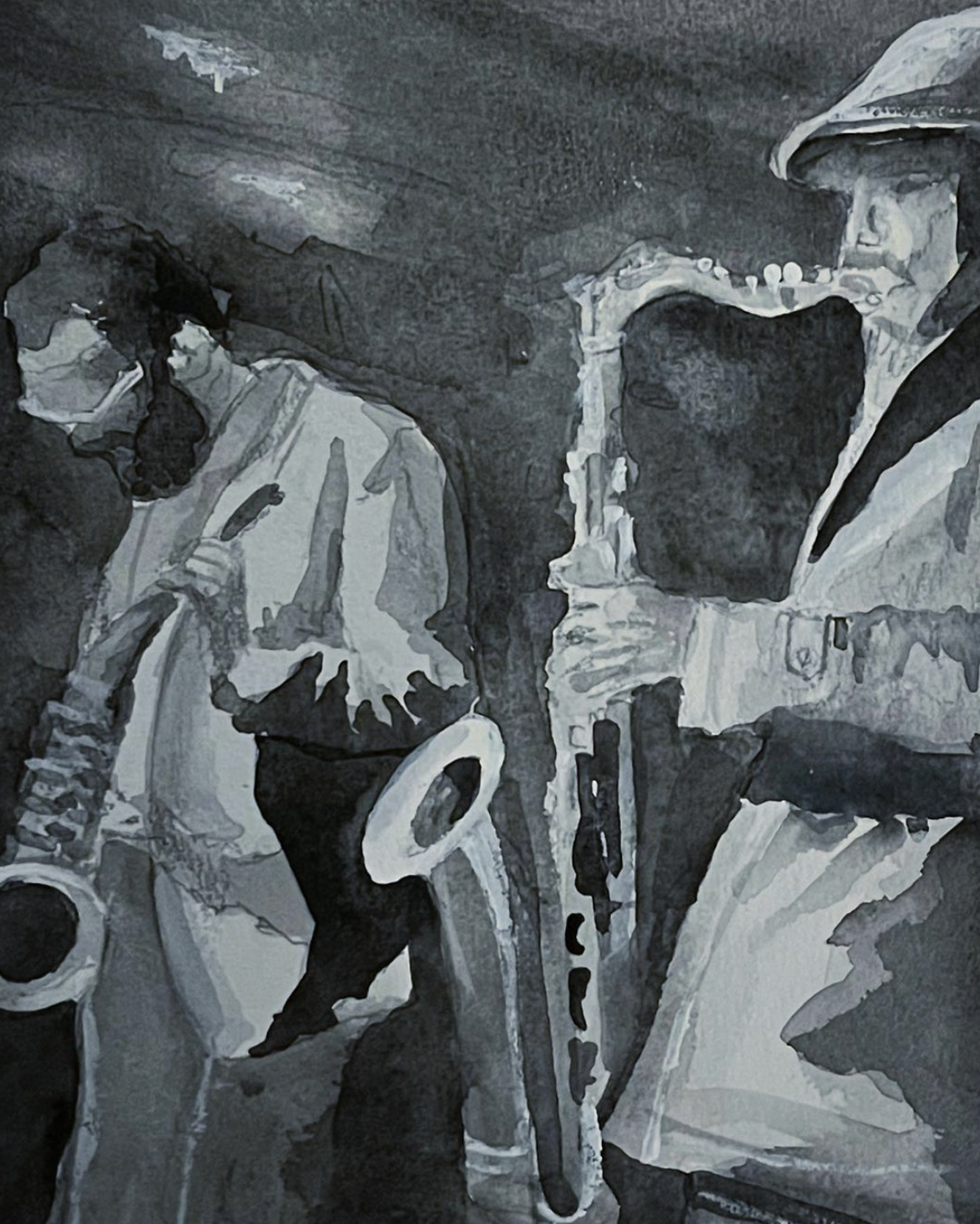
Small jazz clubs have long been at the heart of jazz culture, offering intimate spaces where musicians and audiences could connect in a way that larger venues couldn’t match. Emerging in the early 20th century alongside jazz itself, clubs became especially important in cities like New Orleans, Chicago, and New York, where legendary musicians developed their sound through late-night performances and improvisation. From Harlem’s famous clubs in the 1920s and ’30s to the underground venues of the Beat era, these spaces have nurtured new talent, encouraged experimentation, and created communities around the music. Though the jazz scene has evolved, the small club remains a defining part of the tradition—a place where the music feels immediate, personal, and alive.
Small jazz clubs have long been at the heart of jazz culture, offering intimate spaces where musicians and audiences could connect in a way that larger venues couldn’t match. Emerging in the early 20th century alongside jazz itself, clubs became especially important in cities like New Orleans, Chicago, and New York, where legendary musicians developed their sound through late-night performances and improvisation. From Harlem’s famous clubs in the 1920s and ’30s to the underground venues of the Beat era, these spaces have nurtured new talent, encouraged experimentation, and created communities around the music. Though the jazz scene has evolved, the small club remains a defining part of the tradition—a place where the music feels immediate, personal, and alive.